Refilling Sanford Lake
A milestone in one of Michigan’s largest lake restoration efforts signals progress, resilience, and renewed opportunity for the Four Lakes communities
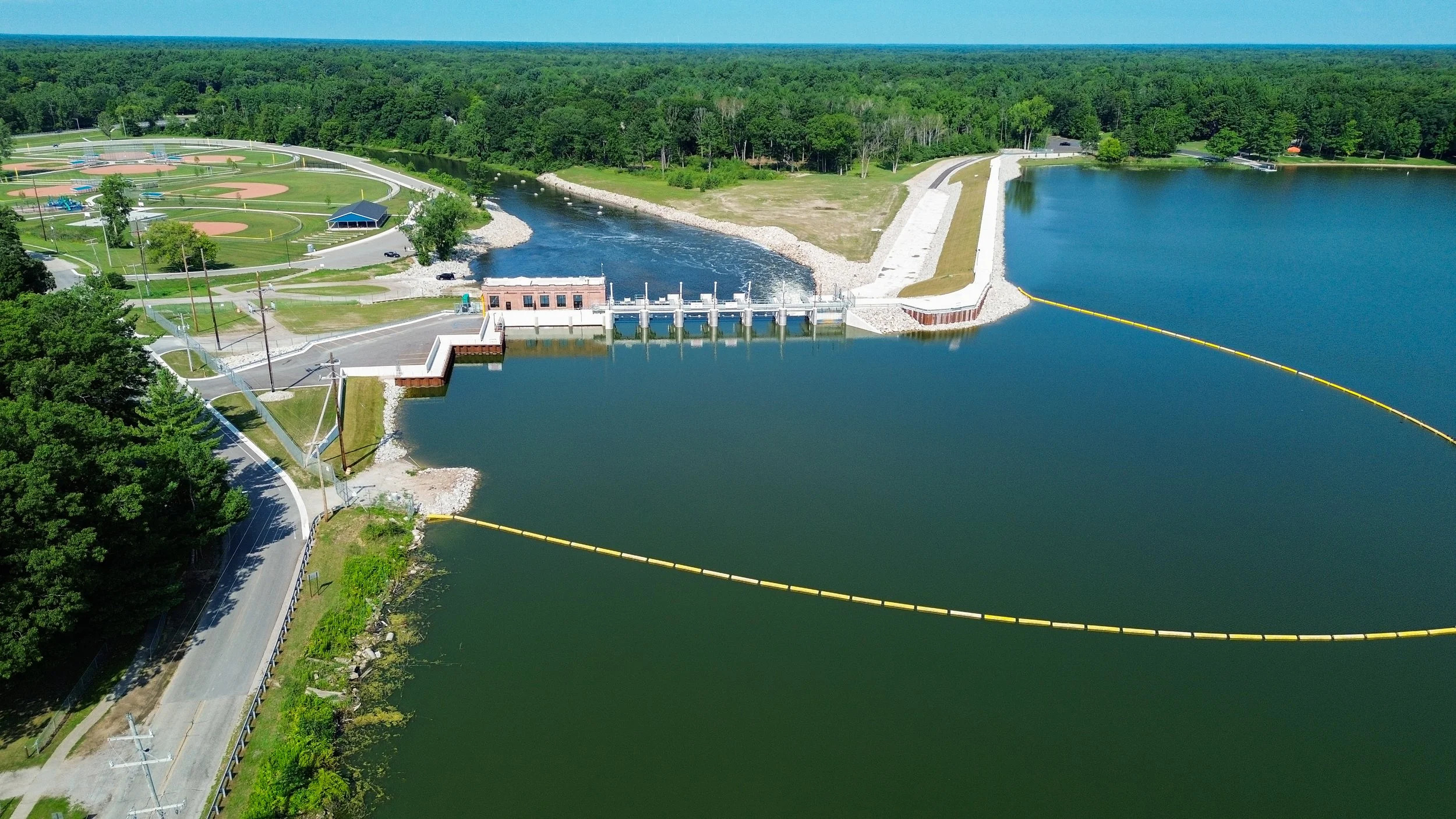
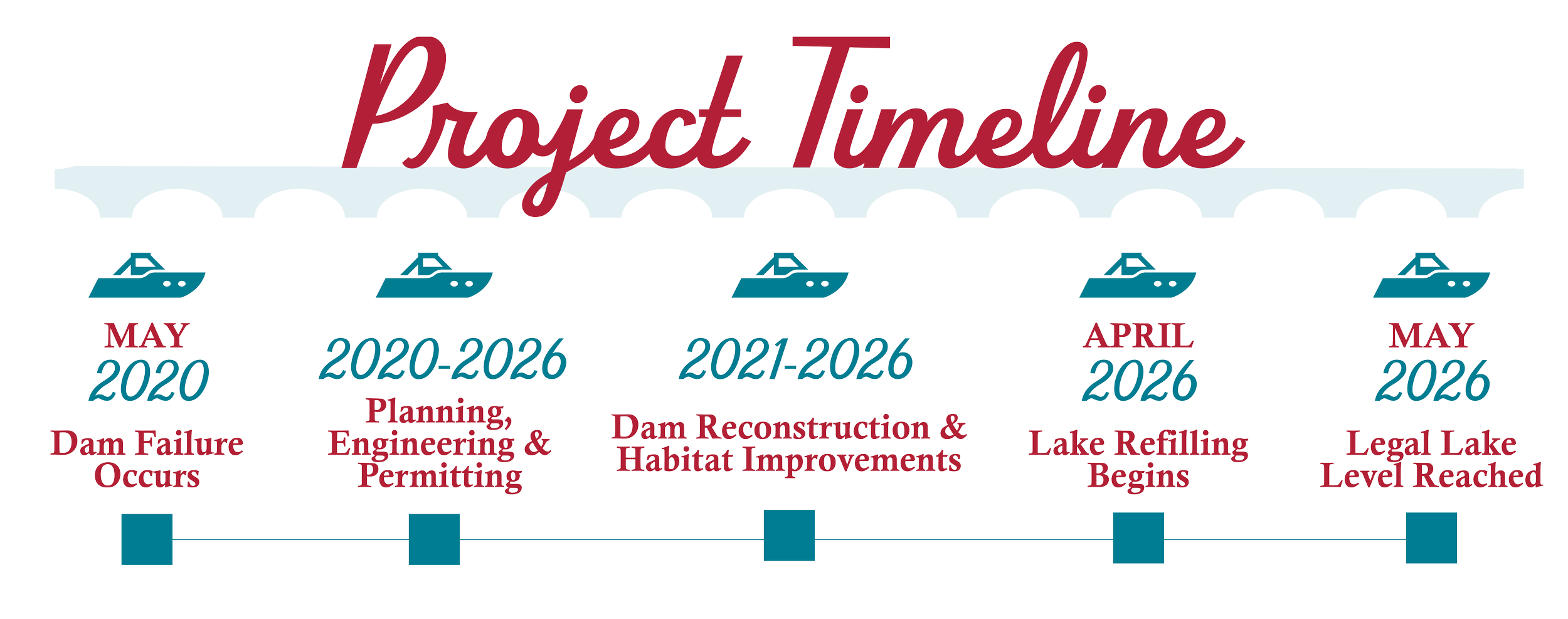
After nearly six years of planning, surveying, engineering, environmental permitting (local, state and federal), construction, and collaboration, Sanford Lake has officially returned to its normal summer court-ordered legal water level. This milestone marks a significant achievement for residents, local communities and stakeholders, engineers, contractors, and the Four Lakes Task Force (FLTF) as restoration efforts continue following the catastrophic Edenville Dam and Sanford Dam failures of May 2020.
The refilling of Sanford Lake began on April 15, 2026, following the completion of repairs to Sanford Dam. Less than a month later, on May 8th, the lake reached its legal lake level, restoring a waterbody that has been gone for nearly six years. For the approximate 944 waterfront property owners surrounding Sanford Lake, the return of the lake represents progress, recovery, and a renewed sense of community.
In 2022, Spicer Group was hired to perform a study for Saginaw Township, regarding what is needed and what is possible for this upgrade. Then the Spicer team completed the design of the current expansion, along with providing bidding assistance and construction administration. Inman has been heavily involved, using her decades-long relationship with Saginaw Township to make sure the job is aligned perfectly with their wants and needs.
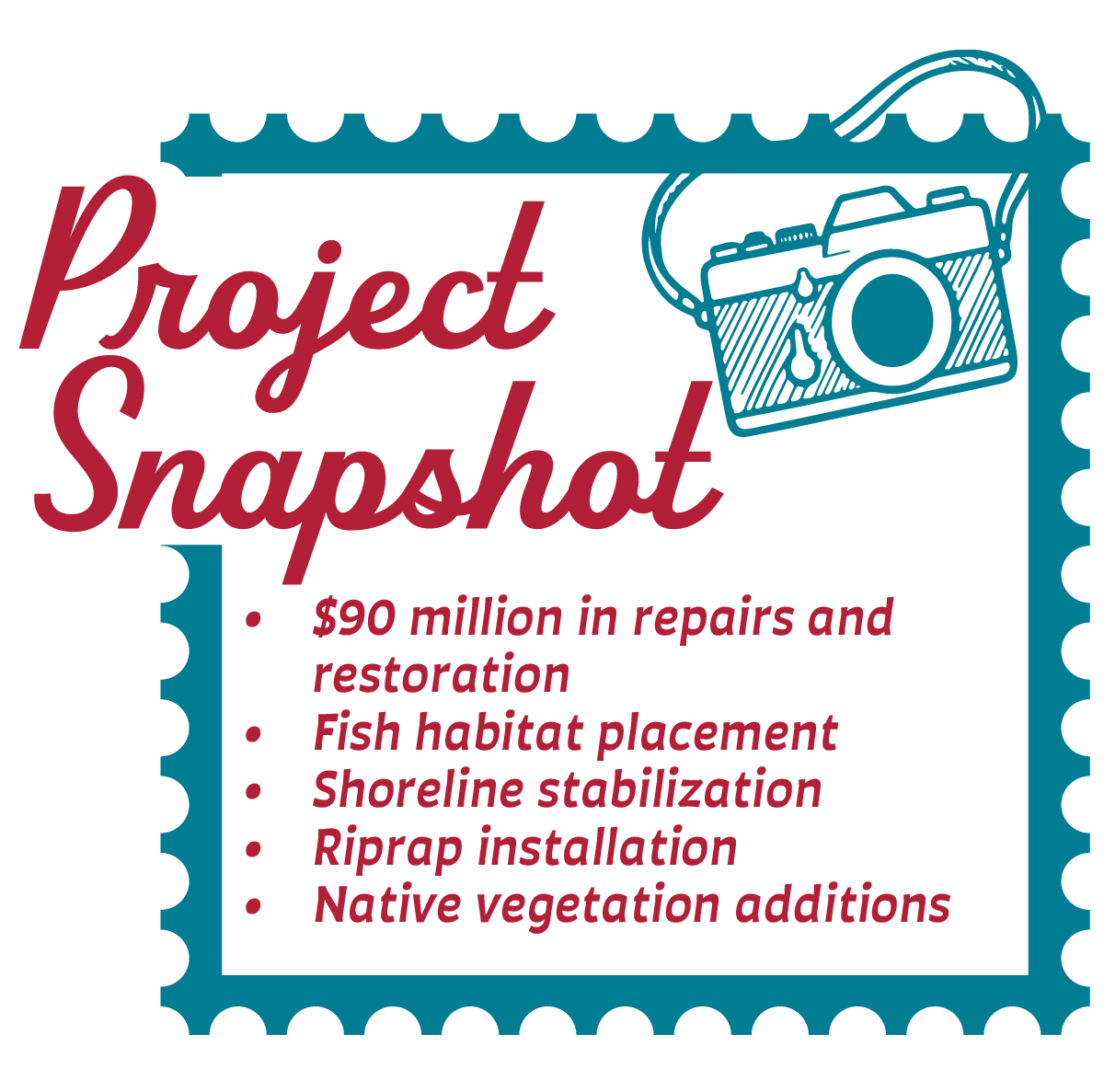
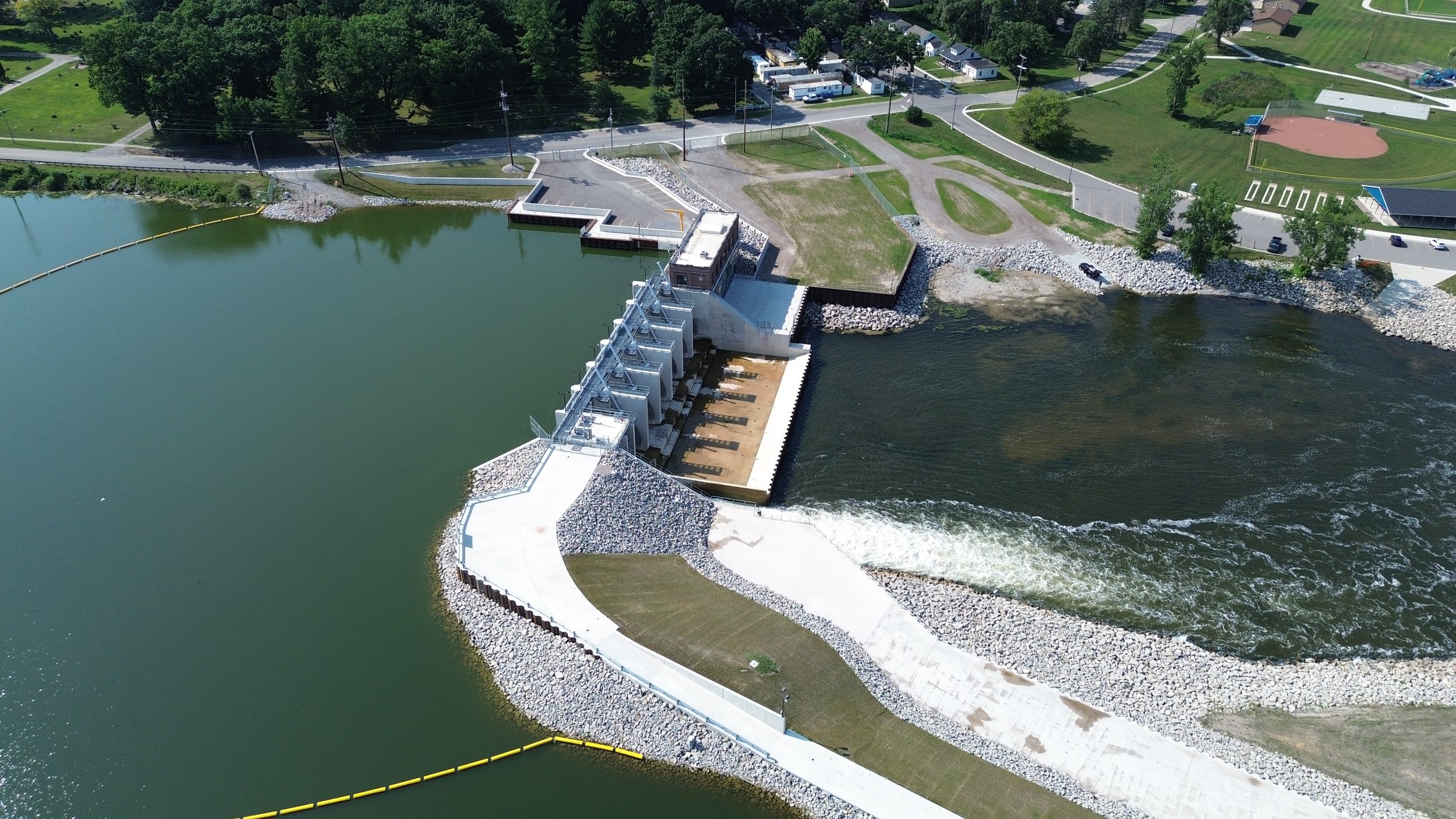
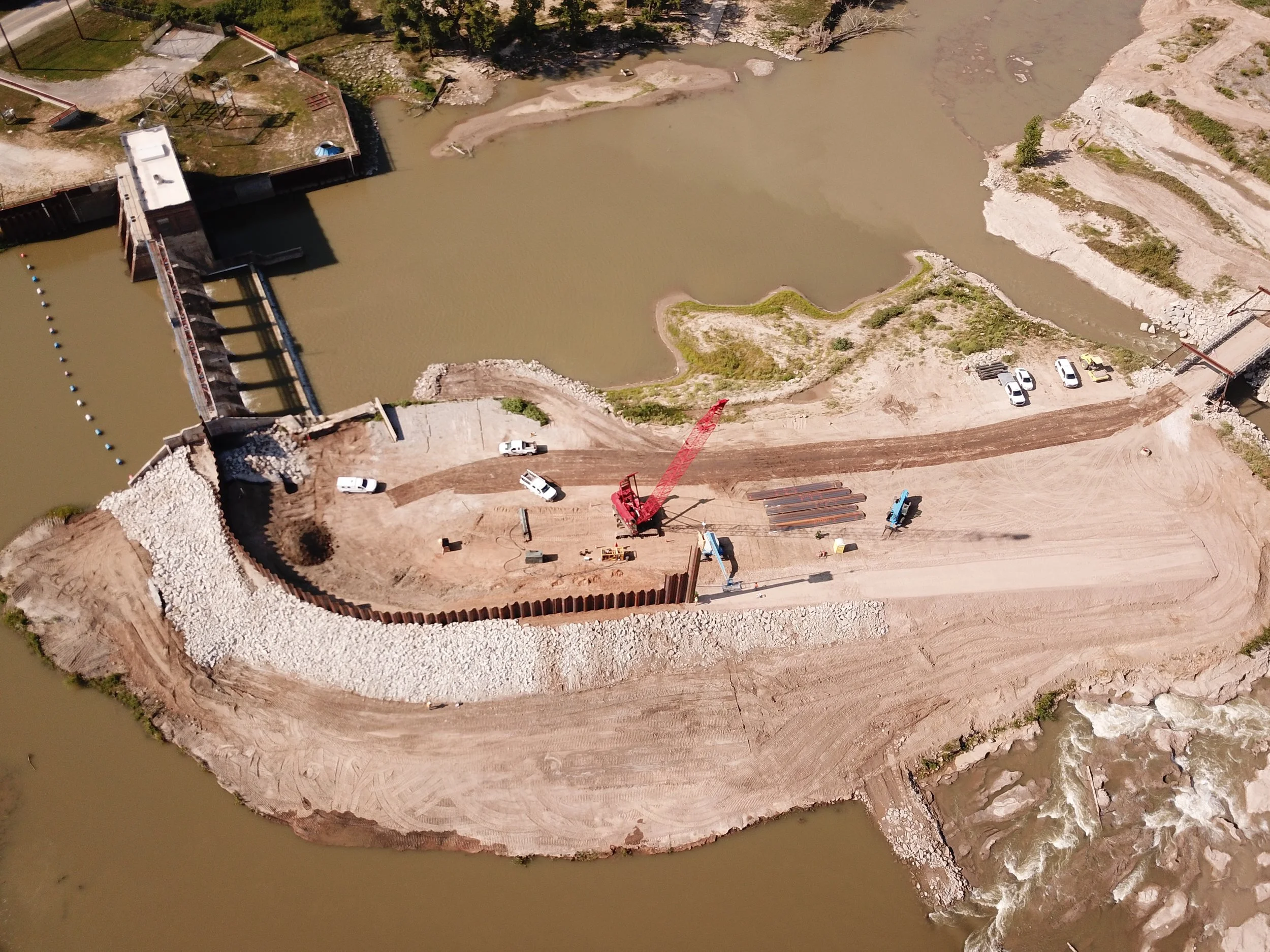
The restoration of the Sanford Dam is part of a much larger effort led by the Four Lakes Task Force, Delegated Authority of Midland, and Gladwin Counties, under Part 307 of the Natural Resource and Environmental Protection Act, that is managing the program to restore the dams and lakes impacted by the 2020 disaster. The overall cost of repairing and restoring the Sanford Dam system is approximately $90 million, reflecting the scale and complexity of the work required to safely bring the lake back to life. The new dam structure includes a primary spillway consisting of six hydraulic crest gates, an automated low-level outlet, a roller compacted concrete auxiliary spillway design for overtopping, and a rehabilitated powerhouse, which now acts as the operating building.
While the lake has reached its legal level, the restoration process is far from complete. During the refill process, debris that accumulated throughout the lake basin is continuing to move downstream toward the dam. Four Lakes Task Force and Spicer Group continue to monitor debris accumulation and coordinate removal of material with the contractors, when possible, particularly in areas near the dam.
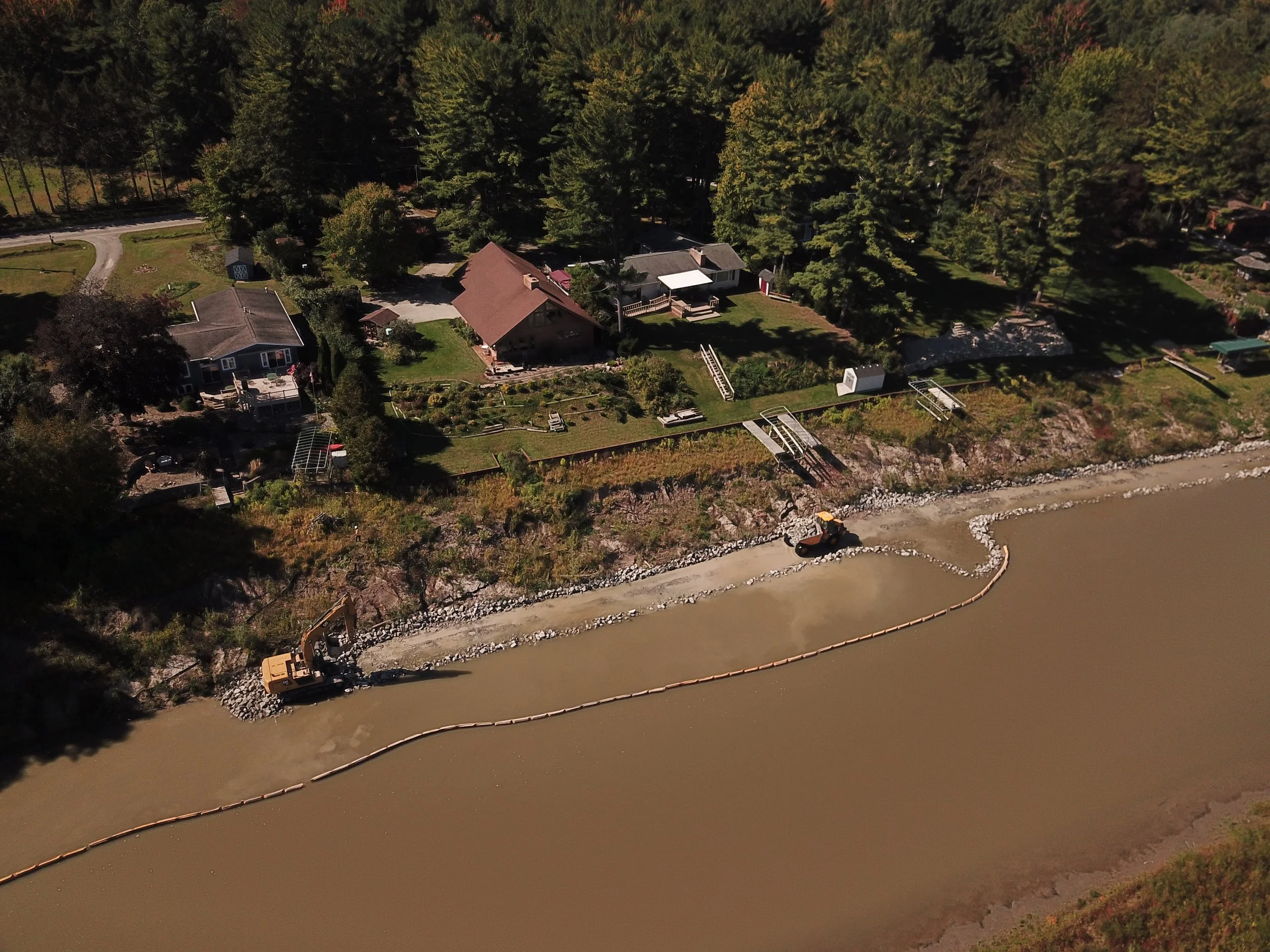
The lake bottom and shoreline have also changed dramatically over the past six years. Water depths vary from previous conditions, and new features, including fish habitat structures, shoreline stabilization measures, and riprap installations, have been constructed during the project’s duration.

Water quality is another which will require time to stabilize. As water levels rise, accumulated sediment and organic materials are naturally disturbed and redistributed throughout the system. This process can temporarily affect water clarity and overall water quality. Ongoing monitoring is being conducted to track conditions and ensure the lake continues moving toward a healthy and stable ecosystem.
As required to adhere to state and federal environmental permitting requirements, Spicer Group assisted with ecological enhancement projects designed to improve habitat and support long-term lake health. This included working with project partners to design and coordinate the placement of fish habitat structures throughout Sanford Lake.
These strategically located structures were installed on the lake bottom prior to refilling and are intended to provide shelter, feeding opportunities, and spawning habitat for fish populations as the aquatic ecosystem re-establishes itself.
In addition, native vegetation was incorporated along portions of the shoreline and within shallow water areas. Native plantings play an important role in improving water quality, reducing shoreline erosion, supporting wildlife, and creating healthy aquatic habitat. These ecological enhancements are intended to help the lake recover not only as a recreational resource, but also as a thriving natural environment.
Beyond individual restoration projects, Spicer Group continues to assist with managing the assessment roll as well as supporting Four Lakes Task Force through coordination and preparation of comprehensive watershed management plans. The effort encompasses the entire Four Lakes system, including Sanford, Wixom, Smallwood, and Secord lakes.
The watershed-wide planning initiative is focused on understanding how water moves throughout the system and identifying opportunities to improve water quality, habitat, recreation, shoreline management, and long-term resiliency.
The successful refill of Sanford Lake also serves as an important milestone in the broader restoration schedule for the Four Lakes system. Smallwood Lake Dam has reached substantial completion and lake refill has begun. Normal water level is expected to return later this fall.
Secord Dam and Lake are expected to follow, with restoration efforts currently projected for completion by spring 2027. Restoration of Edenville Dam and Wixom Lake remains the final phase of the overall program, with repairs and refilling currently estimated for completion in Spring of 2028.
Each completed phase brings the region one step closer to restoring the interconnected lakes that have long served as important recreational, environmental, and economic resources for Mid-Michigan communities.
While work remains ahead, reaching normal lake levels represents a major achievement in one of Michigan’s most significant infrastructure and environmental recovery efforts. As restoration continues across the Four Lakes system, the progress at Sanford Lake offers a glimpse of the future and a renewed optimism for the communities that call these lakes home.