Spicer Group’s Architecture & MEP Practice Area
Spicer Group’s Architecture and Mechanical, Electrical & Plumbing (MEP) Practice Area operates as a coordinated design team in our Development and Buildings Service Line, providing complete building design and system solutions for clients across the public and private sectors. Their collaboration ensures that every project moves from concept to completion with integrated planning, efficient communication, and technical accuracy. The two groups often work hand in hand—architecture leading the planning, building and design phase while the MEP team develops and designs the systems that support those spaces. Likewise, MEP-led projects often require architectural insight for aesthetic distributions and considerations. This dual approach allows Spicer Group to provide comprehensive services across a wide range of industries and applications.
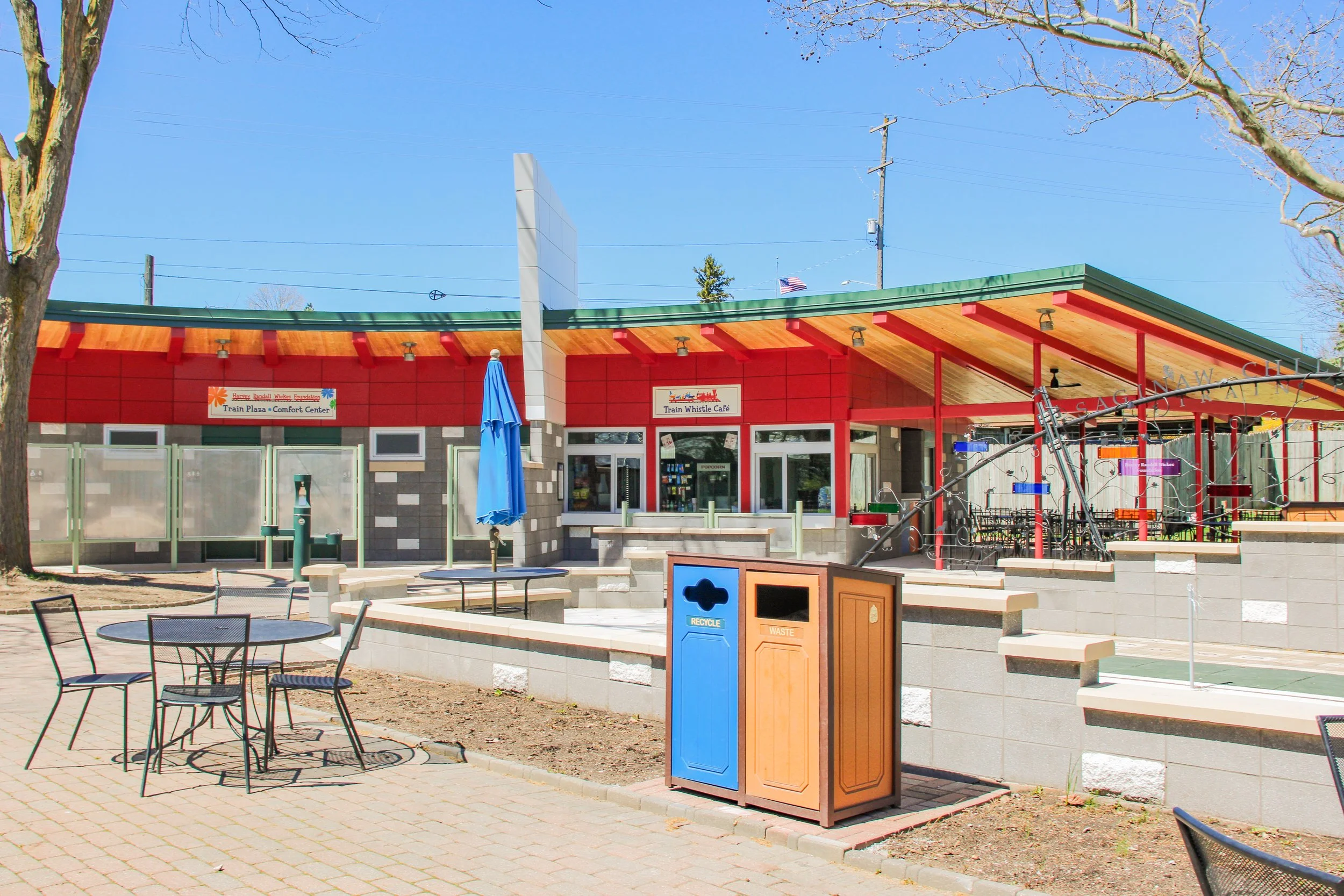
From critical infrastructure projects such as water and wastewater treatment plants, pump stations, and dams, to a wide range of architectural projects including schools, public safety, healthcare, multi-family, office buildings and restaurants, these professionals round out Spicer Group’s ability to complete architectural and engineering needs for any type of client.
Together, the Architecture and MEP Practice Area, along with every other service line at Spicer Group, provides coordinated efforts that allow clients to work with a single firm for survey, site development, planning, architecture, and engineering services. This reduces coordination challenges and ensures consistency across all project stages. By combining expertise in all service areas, Spicer Group delivers practical, efficient, and sustainable solutions that meet client goals and regulatory standards.
A recent example of this collaboration is the Saginaw City Hall renovation, a 93,000-square-foot facility originally constructed in 1936. Spicer Group provided survey, land development, architecture, and MEP design services for the modernization of the building while maintaining its historic structure. Upgrades included replacement of outdated electrical and mechanical systems, improved HVAC zoning for improved comfort and efficiency, LED lighting retrofits, ADA-compliant entrances and restrooms, and overall space reconfiguration to enhance workflow for municipal departments. The project demonstrated how Spicer Group can extend the useful life of existing facilities through coordinated architectural and MEP system design.

Our architects deliver planning, design, and construction administration for municipal, educational, commercial, industrial, and private development projects. Their services include conceptual design, cost estimating, facility and capital needs assessments, building restoration, and oversight during construction. They are licensed in multiple states, which expands our regional reach while maintaining emphasis on community-focused work. Each design is developed to meet current codes, universal and ADA design standards, client budgets, and operational goals, while aligning with energy-efficient and low-maintenance requirements.
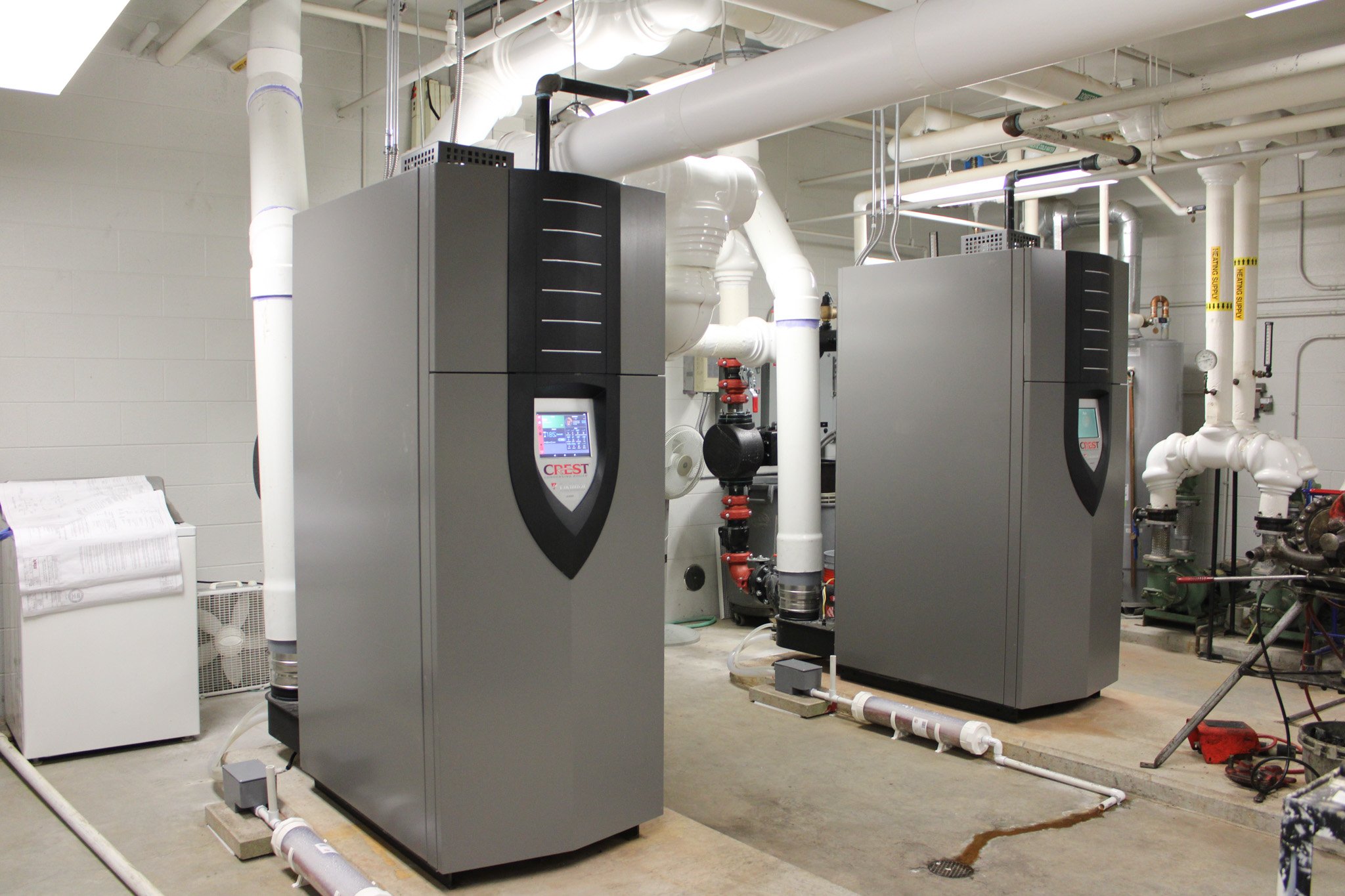
Our mechanical and electrical engineers design the replacement of boilers, pumps, and hydronic heating systems, rooftop units, air handlers, furnaces, and fresh air and exhaust systems. They also specialize in process heating and cooling, commercial kitchen hoods, automation and temperature controls, and HVAC system retrofits. Electrical engineers provide lighting design and upgrades, site and parking lot lighting, sports lighting, lighting control systems, power distribution, service upgrades, generator systems, and medium-voltage designs.
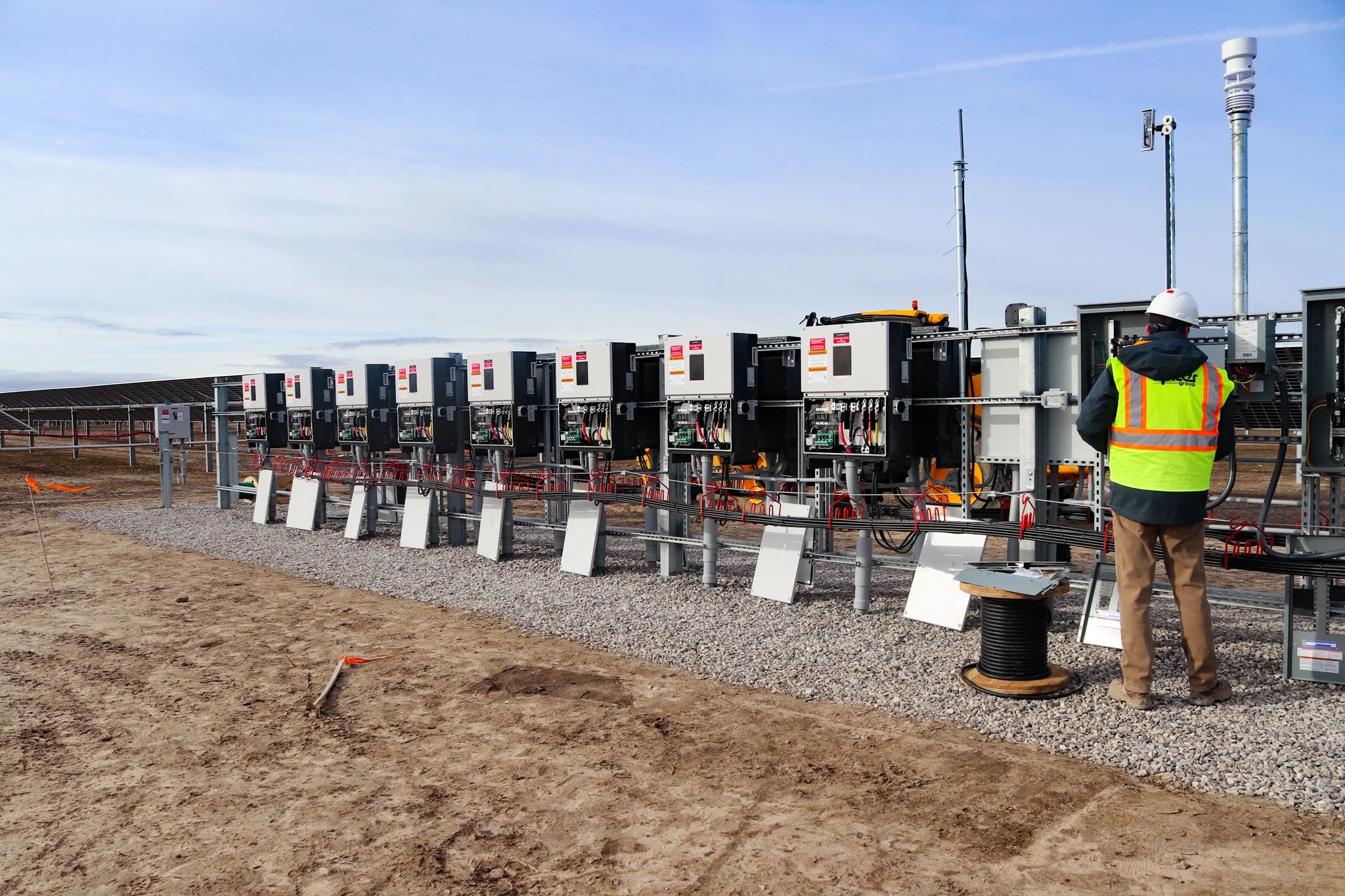
Their expertise extends to electric vehicle charging infrastructure and inspecting photovoltaic solar and wind systems for municipalities. They also conduct electrical studies including arc-flash and fault current coordination. Plumbing engineers support domestic water and sanitary systems, grease and oil separation, commercial kitchen design, process piping, drinking water filtration that meets current EGLE standards, and fire suppression specifications.
A growing portion of our Architecture and MEP Practice Area’s work focuses on energy and sustainability initiatives. For clients pursuing lower operating costs and reduced environmental impact, our team designs high-efficiency HVAC retrofits, LED lighting, and automated controls that coordinate with geothermal and solar photovoltaic systems. These capabilities align with the architectural team’s focus on sustainable design principles and universal design standards, which promote energy efficiency, accessibility, and sustainability.
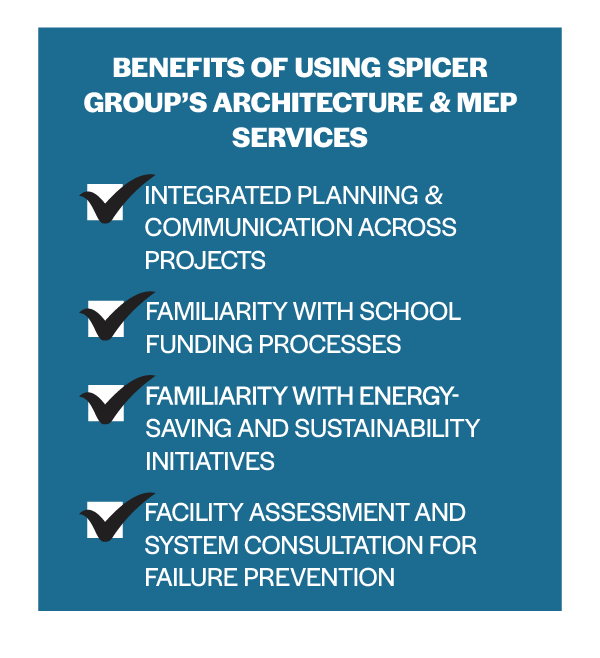
The team is also focused on providing facility assessment and system consulting. The team conducts building system evaluations to identify equipment nearing the end of its service life and develops replacement plans that minimize disruption to ongoing operations. This service is valuable for municipalities, school districts, and private facility owners who want to modernize equipment without committing to full-scale building renovations. Spicer Group’s engineers prepare clear documentation outlining costs, system options, and phased implementation schedules to guide client decision-making.
It’s important to note how these efforts are assisting the education market where team members from our Architecture and MEP Practice Area regularly assist school districts with bond-funded and sinking fund facility improvements. Their services include condition assessments, energy efficiency evaluations, and phased design for HVAC, lighting, and electrical system replacements. These projects allow districts to upgrade infrastructure while maintaining classroom operations. Spicer Group’s familiarity with school funding processes and construction timelines helps administrators plan for long-term facility performance and budget management.
Technology is central to how Spicer Group’s Architecture and MEP teams collaborate. Both use Autodesk Revit 3D Building Information Modeling (BIM), and AutoCAD software to coordinate architectural and engineering design in a shared model. Revit allows system conflicts to be identified early, reducing errors and construction delays. The use of Lumion rendering software further supports visualization by allowing clients to view realistic 3D representations of proposed designs. These tools create a more transparent and efficient design process, improving constructability and conflict resolution across all parties involved.

Spicer Group continues to expand its architectural and engineering capabilities to meet evolving design and performance requirements across industries. Our growing experience in municipal renovation, educational facility improvement, and private development projects demonstrates our commitment to reliable, coordinated design delivery.